
Snow Mold in Lawns
 With the cold temperatures and snow cover this winter, conditions have been ideal for a common spring turfgrass disease: snow mold. Snow mold is often the first lawn disease visible after snow begins to melt in northern climates.
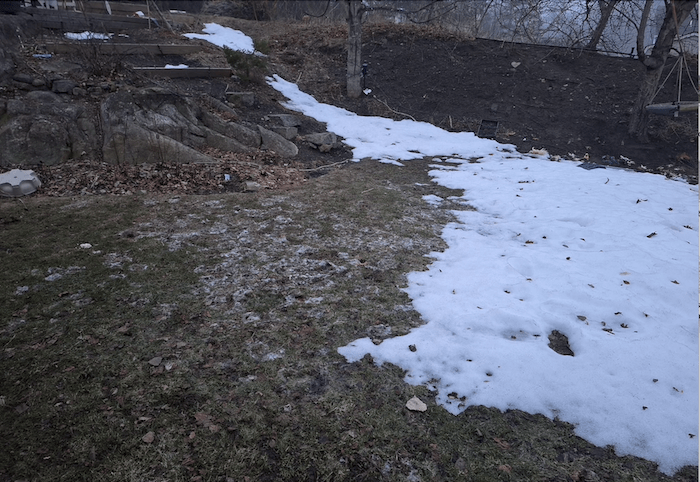
Signs and Symptoms of Snow Mold
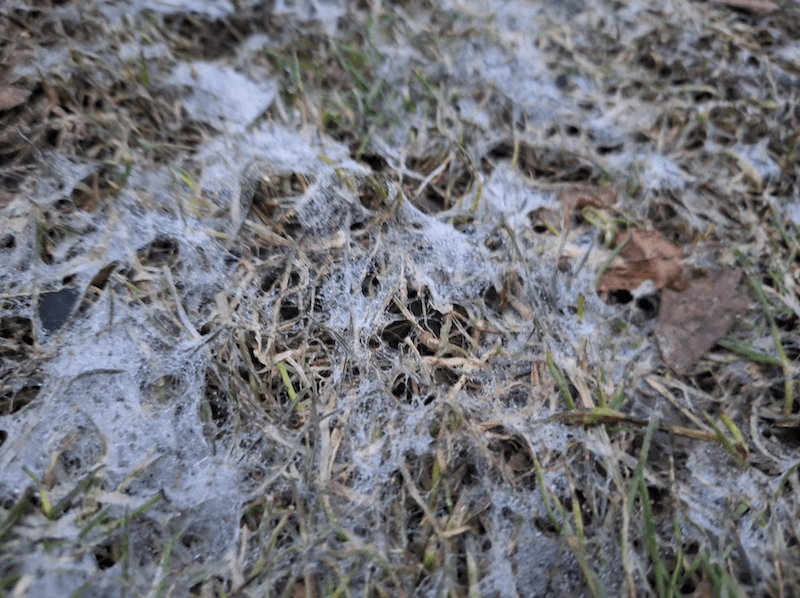 As snow recedes in early spring, white, gray, or tan crusted patches of matted turf may appear in lawns. These patches can range from a few inches to several feet across.
The most common type found in Northeast lawns is gray snow mold, caused by the fungus Typhula incarnata.
Snow mold tends to be worse in areas such as:
- Along driveways
- Shaded lawns
- Poorly drained turf
- Locations where snow has been piled
The longer turf remains covered with snow, the more noticeable the symptoms can be. While the damage may look severe, snow mold rarely kills lawn grass and is usually a temporary cosmetic issue.
How Snow Mold Develops
Snow mold develops beneath the snowpack during winter.
Small fungal survival structures called sclerotia germinate in late fall or early winter. These structures produce mycelium, which spreads slowly across turfgrass blades under the snow.
The disease develops when these conditions occur:
- Temperatures slightly above freezing
- Wet turfgrass leaf tissue
- Darkness beneath snow cover
Because the disease develops out of sight, symptoms often appear suddenly once snow melts and the lawn is exposed to sunlight in early spring.
Although snow mold can be more problematic on tightly mowed turf such as golf courses, most residential lawns recover quickly once temperatures rise and turfgrass growth resumes.
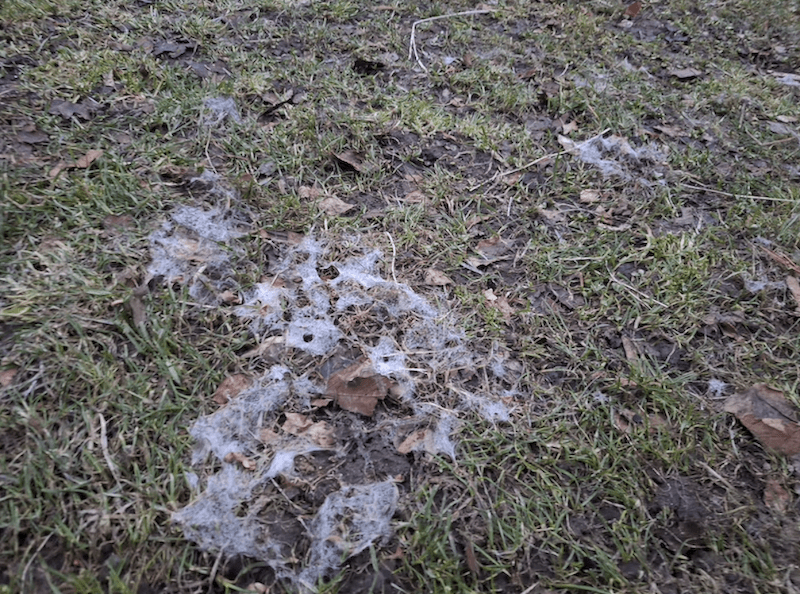
Cultural Management and Lawn Recovery
Managing snow mold usually requires simple cultural practices rather than aggressive treatments. Snow management is important. Avoid leaving large piles of snow on turf that persist well into spring.
Once the lawn surface is dry enough to work, lightly rake affected areas to:
- Break up matted turf
- Improve airflow
- Encourage new growth
- Heavy dethatching or mechanical treatments are generally not recommended.
Applications of slow release PJC ProHealthy Turf Fertilizers and BOOST+S3 can help enhance turfgrass recovery. Bare areas should be overseeded when temperatures allow to prevent weed pressure later in the season.
As temperatures warm, healthy turfgrass typically outgrows snow mold damage naturally.
Preventing Snow Mold Next Season
Some fall lawn practices can help reduce snow mold pressure the following year.
Continue mowing turf into late fall to prevent excessive leaf tissue from becoming trapped under snow. When possible, avoid creating large snow piles on lawn areas during winter.
These simple steps help reduce the conditions that allow snow mold to develop.
Reference: Penn State Extension – Turfgrass Diseases: Gray Snow Mold