
Common Summer Weeds Caused by Wet Soil Conditions
When scouting lawns or athletic fields, always ask one important question: Why is this weed growing here? The answer often lies in the soil. Moisture levels, drainage, compaction, and turf density all influence which weeds gain a foothold. Certain species thrive in wet conditions and can help identify underlying drainage issues before they become larger turf problems.
In this blog, we’re spotlighting 5 common summer weeds that indicate wet or poorly drained soil, along with practical tips for prevention and management.
In case you missed our past few blogs on weeds, check out our blog page.
Why Wet Soil Encourages Weed Growth
1. Ground Ivy
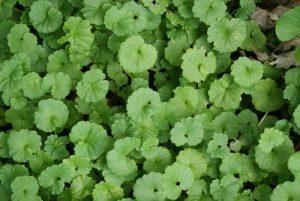
Ground ivy (also called “creeping Charlie”) is a perennial weed that spreads through both stolons and seeds. It tolerates some sun but thrives in moist, shaded, and disturbed areas.
Organic Management Tips:
- Mechanical removal is your best defense—hand-pull or rake aggressively.
- Overseed with fine fescues or creeping red fescue, which compete well in shady lawns.
- Improve drainage and avoid overwatering.
See our blog on Summer Watering →
2. Carpetweed
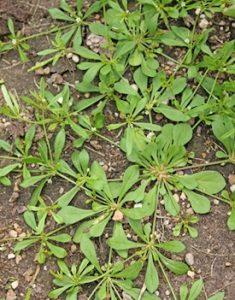
Division of Extension
Carpetweed is a small, fast-growing summer annual that spreads quickly by seed. While it can pop up in dry soil, it’s usually a sign of soggy, poorly drained areas.
Organic Management Tips:
- Strengthen turf density—carpetweed thrives in bare, thin areas.
- Stay on top of lawn repairs to reduce bare soil.
- Improve drainage and watering habits.
Check out Summer Watering Tips →
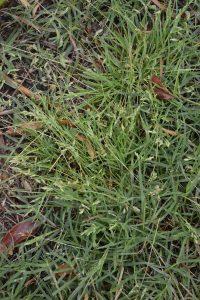 3. Annual Bluegrass (Poa Annua)
Often mistaken for turfgrass, Poa annua is a winter annual that loves moist, shaded conditions. It grows in clumps, has a vibrant green color, and seeds prolifically even at low mowing heights.
Organic Management Tips:
- Increase turf competition through overseeding.
- Avoid moist, shallow soils—deep, infrequent watering is key.
- Address shade with appropriate turf varieties.
4. Chickweed
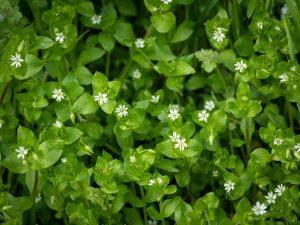
Chickweed is one of the first weeds to germinate in early spring, especially in compacted or constantly moist soils. It forms dense mats and is highly competitive in thin, shaded turf.
Organic Management Tips:
- Improve soil structure through aeration and organic matter.
- Maintain consistent turf coverage through seasonal overseeding.
- Address shade by choosing shade-tolerant grass varieties.
Read our full Chickweed Spotlight →
5. Yellow Nutsedge (Nutgrass or Watergrass)
Yellow nutsedge is not a true grass—it’s a sedge, identifiable by its triangular stem and waxy, light green leaves. It thrives in poorly drained soil but can also survive dry areas.
Organic Management Tips:
- Improve drainage and reduce standing water.
- Regular mowing can reduce spread, but long-term control requires improving soil conditions.
Long-Term Organic Weed Management
No matter which weeds you’re fighting, healthy turf is the best defense. Here’s how to support dense, resilient grass that outcompetes weeds:
- Mow High: Maintain a taller mowing height to shade out low-growing weeds and prevent seed exposure.
- Water Deep, Not Often: Shallow, frequent watering encourages shallow roots and soggy soil. Instead, water deeply and infrequently to promote strong turf root systems.
- Soil Testing: Know your soil! Keep pH and nutrient levels in optimal range for turfgrass growth by using soil testing and organic amendments like lime when needed.
- Overseed for Turf Density: Grass species thrive in different seasons. To maintain year-round competition:
- Spring: Focus on ryegrass
- Early Summer: Use tall fescue and Kentucky bluegrass
- Late Summer/Fall: Oversee again with Kentucky blue and rye
Final Thoughts
Weed pressure often reflects soil conditions more than a lack of weed control. When drainage improves and turf density increases, many moisture-loving weeds become less competitive. Identifying the cause of weed growth allows you to focus on long-term turf health rather than short-term suppression.
At PJC Organic, we’re here to help you answer those questions with confidence. We offer:
- Soil testing & analysis
- Organic fertilizer and soil amendment recommendations
- Program development & expert support
Have questions? Contact us—we’re here to help you implement all-natural turf care seamlessly.