Soil Structure and Turf Care: Building the Foundation for Healthy, Resilient Lawns
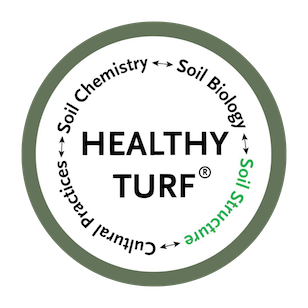
The third component of the PJC Healthy Turf Circle is soil structure. Many turf managers focus primarily on what they see above the surface, while overlooking the critical role played by the soil beneath. How soil is constructed below the surface directly impacts turf performance above it.
To review the full PJC Healthy Turf Circle, visit our earlier posts. Our previous two blogs covered how soil chemistry and soil biology contribute to healthy turf. Now, let’s dig into the importance of soil structure and its role in turf care.
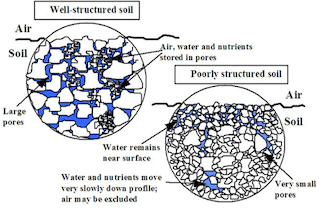
Good soil structure influences how effectively soil:
- Moves and stores water
- Holds air and resists compaction
- Supports root growth
- Cycles and retains nutrients
All of these factors directly affect the vitality and resilience of turf grass.
Understanding Soil Structure in Turfgrass Systems
Soil structure refers to the arrangement of soil particles and how they group together into larger units called aggregates. These aggregates fall into two main categories:
- Microaggregates: Formed from silt and clay particles bound together by organic materials.
- Macroaggregates: Composed of silt and clay particles, microaggregates, and organic matter.
The primary contributors to aggregate formation include plant roots, mycorrhizae, and earthworms. These organisms provide organic matter that supports bacteria and fungi, helping stabilize soil structure over time.
Key Goals for Improving Soil Structure
Improve Nutrient-Holding Capacity (CEC)
One of the primary goals in improving soil structure is increasing the soil’s ability to retain and exchange nutrients. This is achieved by:
- Addressing Cation Exchange Capacity (CEC) to improve nutrient retention
- Correcting organic matter deficiencies to support long-term soil health
The Role of Humic and Fulvic Acids in Soil
Humic and fulvic acids are found naturally in soil as humus. These compounds enhance soil CEC and improve nutrient availability and retention, making them essential tools in soil structure improvement.
Organic Matter and Soil Stability
What Is Organic Matter?
Organic matter is fundamental to the development of good soil structure. It consists of dead and decaying plant and animal material and contributes essential carbon to the rhizosphere (the root zone of plants). Organic matter drives soil aggregation, pore formation, and long-term soil stability.
Sources of Organic Matter
Organic matter enters the soil through both natural contributions and product inputs:
- Natural contributions include small roots, grass clippings, and chopped leaves
- Product inputs, such as PJC Organic Fertilizers and Soil Conditioners, supply additional organic carbon to enhance soil health
Benefits of Higher Organic Matter and CEC
Soils with higher organic matter content and improved CEC:
- Retain more water and nutrients, making them available to plants when needed
- Improve soil tilth, or the soil’s physical condition for plant growth
- Provide a “home” where biology thrive
How Organic Matter Impacts Different Soil Types
- Sandy soils: Organic matter binds soil particles together, forming aggregates and improving overall structure.
- Clay soils: Organic matter reduces cohesion, creating a more crumbly soil texture that improves aeration and drainage.
By enhancing soil structure and organic matter, turf grass is better equipped to thrive regardless of soil type. Well-structured soil promotes healthy root development, efficient nutrient uptake, and overall turf resilience.
Humus, Humates, and Accelerating Soil Health
“Humus is created from life, for life, and by life.” — Raoul France
Humus is a stable form of organic matter that can take thousands of years to develop naturally in native soils. However, by applying humic acids in the form of humates, we can significantly accelerate improvements in soil structure and overall soil health.
How Humates and Organic Matter Work
- Humates provide additional binding sites for cations, increasing nutrient-holding capacity
- Turf plants shed root cells and excrete organic substances that feed soil microbes
- Microbes break down organic matter into minerals that are bio-available to plants
Organic Matter and Water Retention
An increase of just 1% organic matter enables soil to retain approximately 20,000 additional gallons of water per acre. This powerful benefit highlights the importance of improving organic matter levels for sustainable turf management and drought resilience.
How Cultural Practices Affect Soil Structure
Cultural practices play a significant role in shaping soil structure by influencing organic matter levels and compaction.
- Mowing practices can either add organic matter or suppress its development
- Irrigation practices may support organic matter accumulation—or, if mismanaged, degrade it
- Traffic management affects soil compaction and pore space
- Turf cultivar selection influences root mass and below-ground soil structure
Thoughtful management decisions help protect and improve soil structure over time.
Proven PJC Organic Products for Improving Soil Structure
Turf plants and soil microbes are constantly using, adding, and changing the soil structure, making it challenging to influence. Product selection can either enhance soil health or contribute to its degradation.
PJC Organic Fertilizers and Soil Conditioners are formulated to deliver organic matter and humates in low-dose applications that work synergistically with cultural practices to improve soil quality and accelerate positive changes in soil conditions.
PJC ProHealthy Turf 7-0-2+ Fertilizer
This fertilizer contains plant and animal proteins that naturally supply food for microbes while delivering organic matter for extended feeding cycles. Added humates increase nutrient efficiency during fertilizer applications.
PJC ProHealthy Turf Charge-S3
This proprietary soil conditioner contains biochar to directly increase soil organic carbon, along with molasses to serve as a carbohydrate source for microbes. Easily digestible nitrogen sources support quick turf green-up and seed germination.
PJC ProHealthy Turf BOOST+S3
BOOST+S3 combines humates with calcium compounds to increase nutrient bio-availability in the rhizosphere. Chelated iron supports photosynthesis and chlorophyll production, stabilizing turf without promoting excessive shoot growth.
Long-Term Soil Health and Sustainable Turf Growth
Soil tests show that after three years of consistent use of PJC Organic fertilizers and soil conditioners, both CEC and organic matter levels can reach suitable ranges. These improvements strengthen the soil’s ability to sustain healthy turf for years to come.
If you’re looking for product pricing or want to discuss what your soil needs to grow healthy turf, contact us—we’re here to help.