
Early Summer Turf Care Tips – Part 2
Advanced Practices for Weed, Pest, and Equipment Management Following Part 1, welcome back for Part 2 of our Early Summer Turf Care Series. These next

Early Summer Turf Care Tips – Part 2
Advanced Practices for Weed, Pest, and Equipment Management Following Part 1, welcome back for Part 2 of our Early Summer Turf Care Series. These next
Early Summer Turf Care Tips – Part 1
Optimize Lawn Health During Summer Heat As late spring transitions to early summer turf care, it’s time to adjust your strategies to protect lawns from
Mow High in May, June, and July: A Key to Healthy, Resilient Lawns
Spring is in full swing, and turfgrass is starting to grow rapidly. At PJC Organic, we live by the phrase: “Mow High – May, June,

Customer Spotlight: How Staple Landscapes Is Growing with Organic Lawn Care
I spent some time talking with Nick Staples—Co-Owner of Staple Landscapes and PJC customer since fall 2023—to feature as our customer spotlight. We discussed Nick’s
Why Organic Matter Matters for Resilient Spring Lawns
Spring brings fluctuating temperatures and increased moisture—conditions that can stress your lawn. The key to building a strong, resilient turf during this time? Discover why
How to Mow Grass in Spring: 7 Lawn Mowing Tips for Healthy Turf
Looking to improve your lawn’s health this season? Knowing how to mow grass in spring is one of the most important steps to promote strong,
Increased Concern with Roundup Sales and Exposure
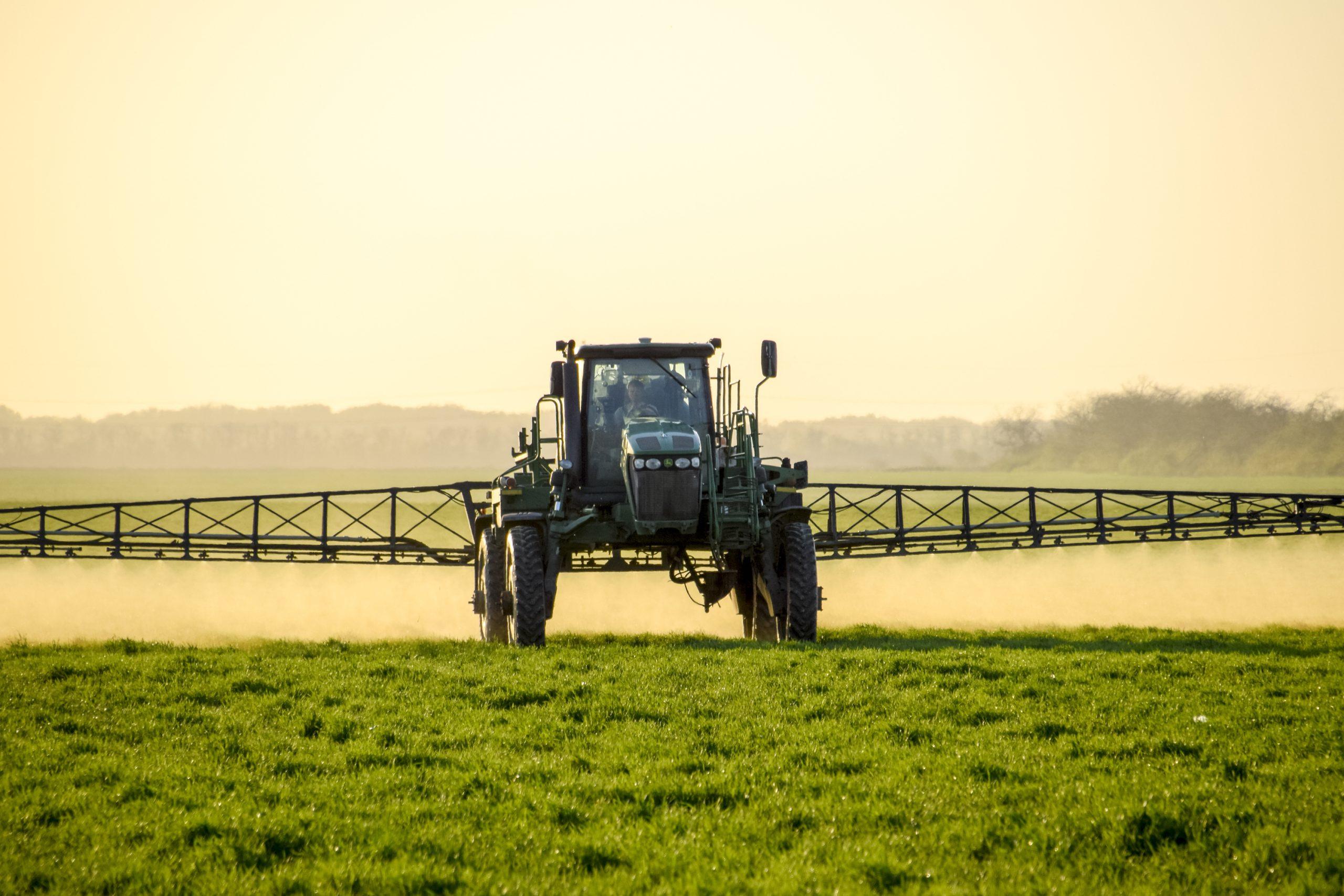
There is increased concern with Roundup sales and exposure…people and Bayer are taking action. Below, we have referenced two articles from this Spring: “Bayer may
How to Manage the Return of Cicadas
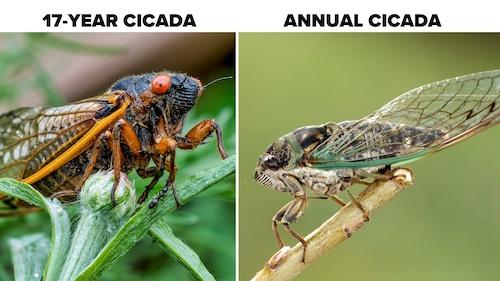
In the spring of 2025, Massachusetts and several other states will experience the emergence of Brood XIV, one of the 17-year periodical cicada broods. It’s

PJC Customer Interview with Minuteman
Throughout the season, we are highlighting different PJC customer interviews to get their perspective on organic lawn care. Below is a recap of our time talking
Negative Effect of Geese on Grass
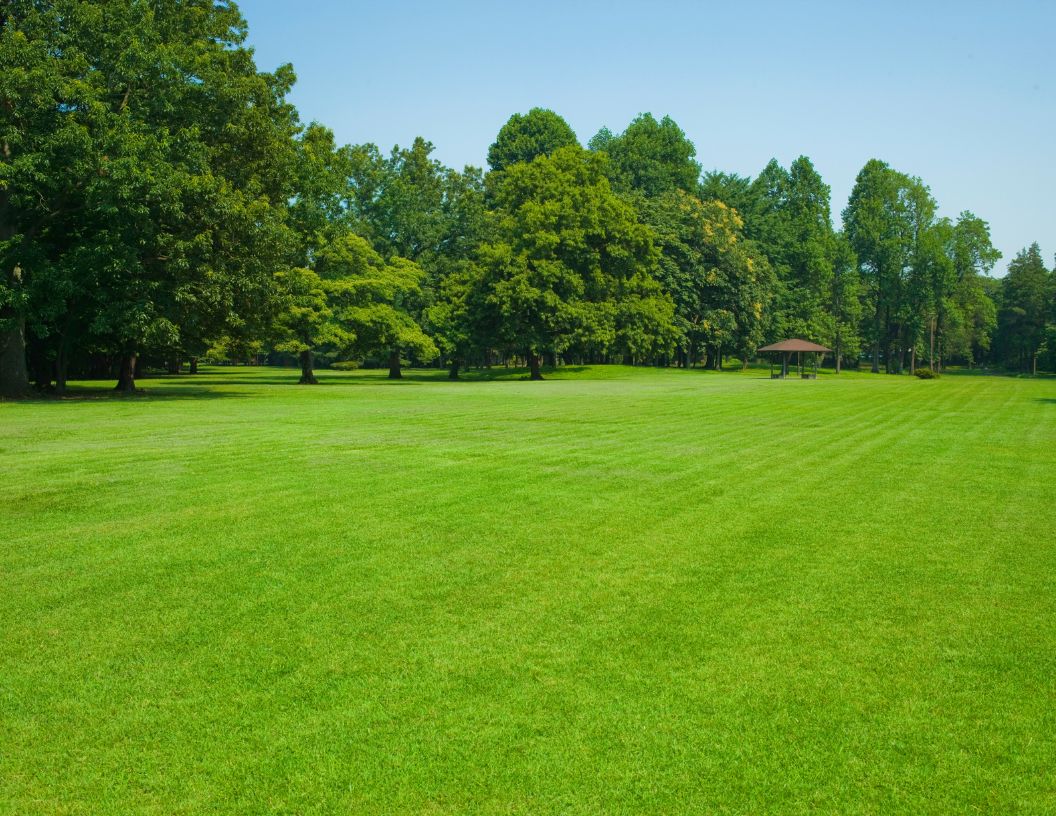
Canada Goose (Branta canadensis) most Canada gees are migratory, but not all. They undertake long-distance migrations from northern Canada south and are typically most active in New England