
Spring Organic Turf Tips
A key part of looking ahead at spring organic turf tips is remembering where we left off last fall. Most areas in the Northeast were somewhere between abnormally dry and a severe drought at the end of October 2026. These conditions carried well into the winter.
Fortunately, we’ve had more normal winter conditions, providing frozen ground and snow cover to protect the turf. However, you should still anticipate thinner turf and more repairs this spring due to fall 2025 conditions.
Key Cultural Practices for Early Spring
1. Soil Test
A must for any organic turf care customer. This is an easy early-season step you can take before the soil has fully warmed up.
Soil test results provide the starting point for program recommendations. They remove the guesswork from product requirements and help keep your sales objective clear. Soil tests give your clients insight into how to influence their underlying soil conditions to grow healthy turf.
Run your soil tests through PJC Organic and we’ll provide you with collateral to make your sales even easier. You can begin as soon as the ground has thawed.

2. Spring Clean-Up
No matter how much time you spend on fall clean-ups, winter has its own plans. Over the winter, grass naturally dies back and goes dormant.
Dormant grass is not the same as thatch, and in an organic system, thatch is generally not a problem since soil biology breaks it down. Be careful—aggressive raking and dethatching can damage crowns of dormant grass, remove valuable organic matter, and create a thin lawn where crabgrass and other weeds can take hold later in the season.
Monitor soil temperatures so you are not expecting the lawn to perform before conditions are right. Remove wet leaves and branches that may smother grass, prune trees and shrubs, and edge and mulch garden beds. These steps help set the stage for a successful growing season.
3. Remove Weeds
Is this the first thing you think of when you hear “spring organic turf tips”? Dandelions and clover will begin to appear as soon as temperatures allow, often before cool-season grasses begin active growth.
These plants can take advantage of available soil nutrients and crowd out turf. Be proactive: pull weeds where possible and bag clippings when flowers are present.
A word of caution: do not try to mow them away. They will continue to grow at heights shorter than your turf prefers.
4. Repair
Pay attention to areas where snow was piled or where heavy foot traffic occurred. These areas are prone to soil compaction and compaction-related weeds such as plantain and crabgrass.
Repair damage from winter puddles, snow plows, and areas affected by snow-melt applications. Bare soil is where weeds establish first, so address thin or stressed areas promptly.
Once soil temperatures reach 50°F, slice-seed or topdress and overseed with a mix high in perennial rye. Keep in mind that lawns may be thinner this spring due to reduced germination from last fall’s drought conditions.
5. Mowing Height
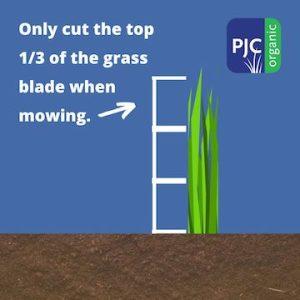
Mowing is a critical part of spring organic turf care. After completing spring clean-up and repairs, begin with a “clean-up” cut to help turf stand upright. This also helps break down any remaining organic debris and allows you to assess mower performance.
Lower your height of cut to about 2.5 inches for the first few mowings to encourage lateral growth. Gradually raise the height to 3.5 inches by mid-May. Return clippings to recycle organic matter back into the soil.
6. Irrigation Check
If you have an irrigation system, inspect it for winter damage. Replace any broken heads and confirm proper coverage.
Adjust your watering schedule for the season ahead. When irrigation begins, water deeply—about 1 inch per week—and in the morning for best results.
7. Product Applications
Timing is key for product applications. Wait until the grass begins to green up; typically mid to late April.
Organic fertilizers contain water-insoluble nitrogen, which depends on active soil biology to become available to plants. Applying too early reduces effectiveness.
Soil amendments should always be applied based on soil test recommendations.
Get Your Lawn Ready for a Successful Season
Incorporating these tips into your spring routine will help address winter damage and create a strong foundation for healthy turf growth.
Let us know if you need product recommendations, soil testing assistance, or help reviewing your fertility program.